
The Objects That Speak Across Time
An exploration of the enduring power of art and design, revealing how mastery, material, and time allow objects to captivate across generations.
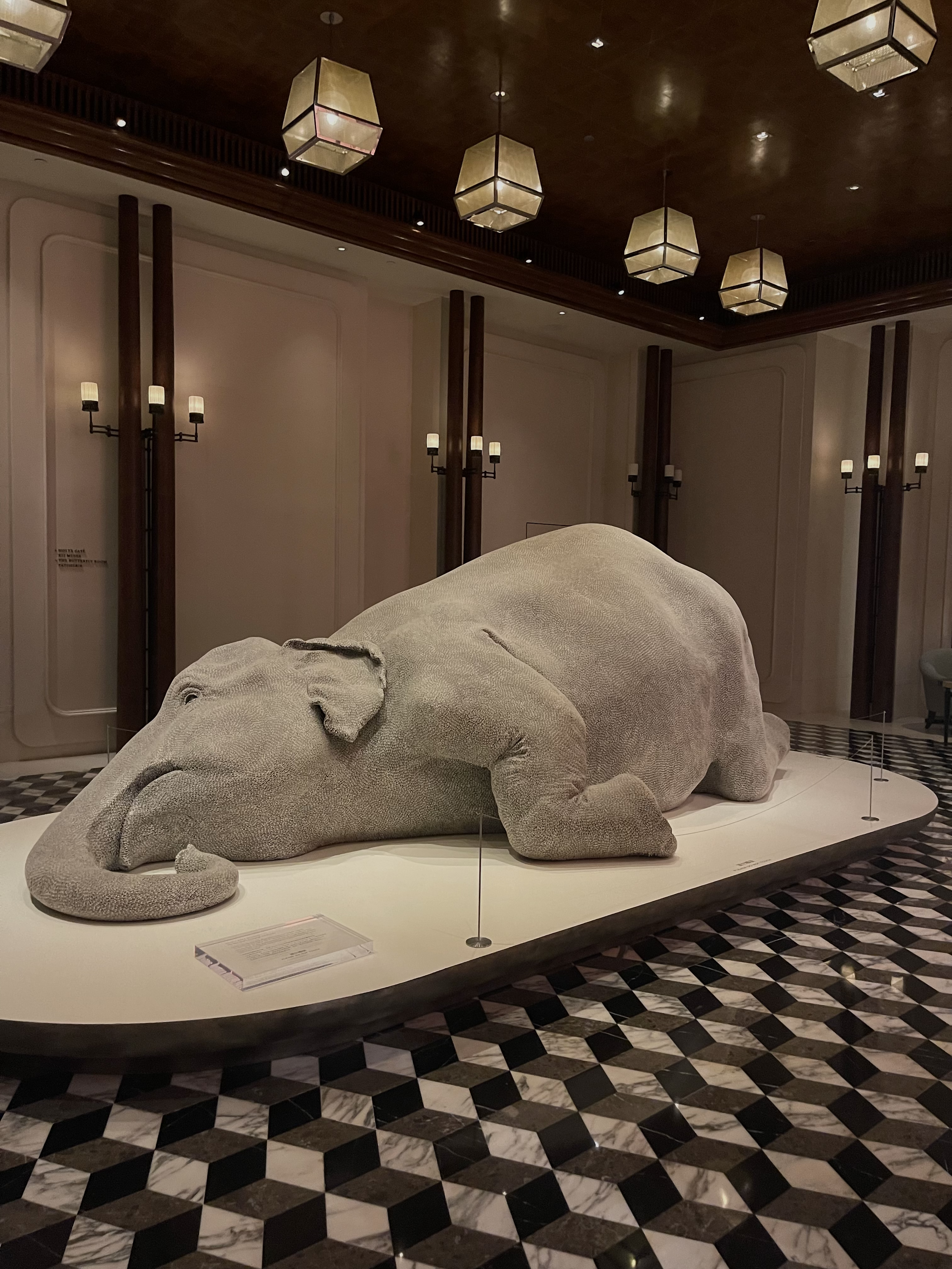
“The Skin Speaks a Language Not Its Own” by Bharti Kher. Photograph © 2019 by SablesHouseCo.
The most consequential objects are rarely the loudest. Their power lies not in immediate display, but in sustained resonance. They assert a silent authority that persists beyond the moment of their creation. Independent of trend and untouched by the fluctuations of taste, they hold their ground with composure and clarity. What endures is not spectacle, but presence.
Among collectors and historians, a persistent question remains: Why do certain works endure? Time is the true measure of any work. It wears away what is superficial, exposes beneath the surface, and removes the context that once surrounded it until the object stands on its own. What survives that process is never by chance. The works that endure feel inevitable, as though they could not have taken any other form. In doing so, they bridge the distance between our fleeting lives and our desire for something lasting.
Some works resonate because they distill human experience with clarity. A canvas by Mark Rothko holds silence and intensity within fields of colour. A sculpture by Alberto Giacometti stretches the human figure into solitude and resolve. A restrained design by Charlotte Perriand balances utility and proportion with enduring restraint. These works speak to both intellect and instinct, leaving an impression that deepens long after first encounter.
Collectors develop an instinct for what lasts. They perceive subtleties: the curve of a line, the harmony of a colour, the small imperfection that signals the hand of the maker. Such details distinguish a work that delights briefly from one that endures. Collecting is not merely possession; it is an exercise in observation, patience and discernment.
Material matters more than most realise. Fragile paper, carved stone, bronze, gold or pearls each respond to time differently. Some gain character with wear; others demand careful preservation. The works reveal the maker’s understanding of their medium. Mastery of material produces objects that feel grounded, authentic and present.
Timelessness is presence. It is the capacity of an object to hold attention without explanation. Some works achieve this through the clarity of human experience: desire, grief, devotion, triumph, solitude. Others achieve it through restraint, leaving space for the eye and mind to wander. The most enduring works require no argument; they exist with authority.
Collectors learn to listen. They cease chasing and begin observing. The works that matter linger in thought long after the first encounter. Trend is fleeting. Taste is patient. Timeless works reward careful attention, often over decades.
The most lasting objects feel complete. Not perfect, but resolved. They exist in confidence, asserting their presence without demand. In a world driven by speed, visibility and constant reinvention, such objects are rare. Markets shift. Styles rise and fall. Attention moves on. Yet what endures does so independently, through clarity of vision, integrity of material and the subtle authority that allows it to exist beyond momentary notice.
