
Art Basel Hong Kong: The Discipline of the Market
A clear reading of today’s art market, where taste shapes demand and collectors move with intention, revealing how quality, provenance, and conviction define value across regions, categories, and generations.
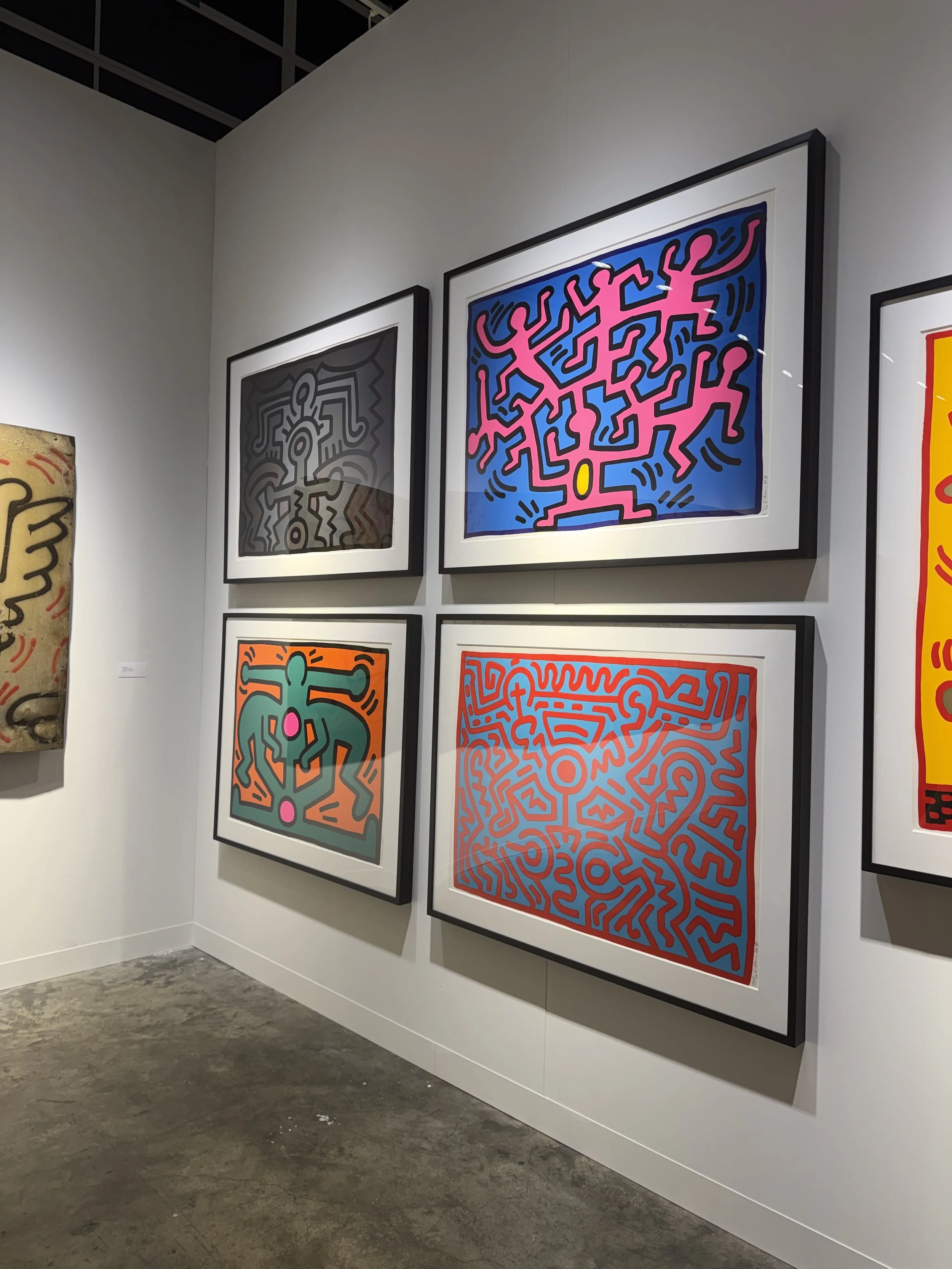
Art Basel Hong Kong Photograph © 2026 by SablesHouseCo. Courtesy Art Basel
At Art Basel Hong Kong 2026, the prevailing narrative is not merely one of strength, but of refinement. The market, while undeniably active, has evolved into something far more deliberate, defined more by precision. Across the fair, from museum-caliber works to emerging contemporary pieces, decisive pattern has taken hold. Collectors are no longer reacting to the market. They are shaping it through conviction.
Collectors arrived knowing what they wanted. A Liu Ye from 2006 left David Zwirner's booth at USD 3.8 million. Picasso's Le peintre et son modèle crossed USD 4 million before the opening day had finished. At Waddington Custot, Zao Wou-Ki and Chu Teh-Chun moved at USD 2.8 million and USD 1.3 million respectively. Transactions are swift, assured, and absent of hesitation. When quality aligns with provenance, liquidity follows almost immediately.
This composure extended across the full range of the fair. Perrotin reported nearly three quarters of its booth sold within the first day. Johyun Gallery recorded 37 sales before the opening hours had passed. Entry-level works found homes as readily as significant ones, and the buyers at those lower price points were not speculating. They were beginning. A younger generation of Asian collectors is approaching acquisition as a long-term practice, building collections with the patience and deliberateness of those who understand that what endures does so slowly.
This is where Hong Kong distinguishes itself. Asia is not a market in ascent. It is the market. The depth of regional demand, from postwar Korean and Chinese masters through to living artists working today, reflects collectors who are thinking in decades rather than seasons. Lee Bul works were placed with private museums and European foundations in the same week. Dansaekhwa painters sold alongside emerging voices with no contradiction. The collections being built here have architecture.
Underneath the transactions, a subtler shift is worth noting. The conversations across the fair kept returning to the same point: people are buying what they actually respond to. After years in which acquisition followed consensus, taste is reasserting itself as the primary instrument of judgment. This is not a retreat from seriousness. It is a more demanding form of it.
Even in the digital sector, the tone had changed. Zero 10 arrived in Asia for the first time and was met not with spectacle but with genuine curiosity. Works by Sougwen Chung moved at USD 65,000 each. Editions found buyers at USD 125. The market for new media is no longer making a case for itself. It is simply part of the fair, evaluated on the same terms as everything else.
What Hong Kong Art Basel 2026 ultimately demonstrates is that selective strength is more meaningful than broad activity. Not every work sold, and that is precisely the point. A market with the confidence to pass is a market worth paying attention to.
From a Sables perspective, this is the version of Hong Kong we have been watching for. Conviction is back. The collectors who have always bought with clarity are being proven right, and those entering now are following their lead.
